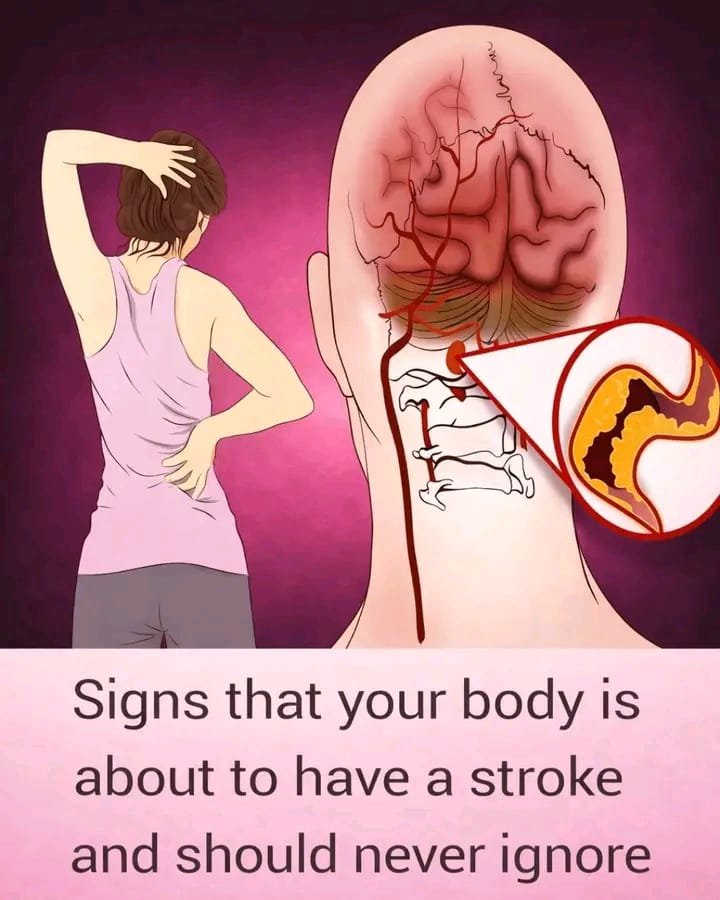
What Is a Stroke?
A stroke occurs when blood flow to part of the brain is blocked or when a blood vessel in the brain ruptures. Without adequate blood and oxygen, brain cells can begin to die within minutes.
There are two main types of stroke:
- Ischemic stroke: Caused by a blockage in a blood vessel supplying the brain.
- Hemorrhagic stroke: Caused by bleeding in or around the brain.
Both are medical emergencies. Knowing the warning signs and acting quickly can make a significant difference in treatment and recovery.
10 Warning Signs of a Stroke You Should Never Ignore
1. Sudden Weakness or Numbness on One Side
One of the most recognizable stroke symptoms is sudden weakness or numbness affecting the face, arm, or leg, particularly on one side of the body.
A person may struggle to lift one arm, grip an object, stand steadily, or move one leg normally.
What to do: Treat sudden, unexplained one-sided weakness or numbness as an emergency, even if it seems mild.
2. Facial Drooping
A stroke may cause one side of the face to droop or become difficult to move. The person’s smile may appear uneven, or one side of the mouth may hang lower than the other.
If you suspect a stroke, ask the person to smile and look for an obvious difference between the two sides of the face.
3. Slurred Speech or Difficulty Speaking
A person experiencing a stroke may suddenly slur their words, struggle to form sentences, or be unable to speak clearly.
They may also have difficulty understanding simple questions or following a conversation.
These changes can occur even when the person appears otherwise alert.
4. Sudden Vision Problems
A stroke can affect the parts of the brain responsible for processing vision.
Possible symptoms include:
- Sudden blurred vision.
- Double vision.
- Partial loss of vision.
- Sudden loss of sight in one or both eyes.
Sudden vision changes should never be dismissed as simply a sign of aging or tiredness.
5. Loss of Balance or Coordination
Some strokes affect the brain regions responsible for balance and coordination.
A person may suddenly become unsteady, stumble, struggle to walk in a straight line, or find it difficult to coordinate their movements.
If this happens suddenly, particularly alongside other neurological symptoms, seek emergency medical care.
6. Sudden Severe Headache
A sudden, unusually severe headache with no apparent cause can be a warning sign of a hemorrhagic stroke or another serious medical emergency.
The pain may be intense and may occur with vomiting, neck stiffness, confusion, or loss of consciousness.
Do not wait for a severe headache to improve on its own if it begins suddenly and is unlike anything the person has experienced before.
7. Confusion or Difficulty Understanding Others
A stroke can affect the brain areas responsible for language, memory, and comprehension.
Someone may suddenly seem confused, have trouble following instructions, answer questions inappropriately, or struggle to understand familiar words.
A sudden change in mental clarity requires urgent evaluation, especially if it occurs with weakness or speech difficulties.
8. Sudden Dizziness or Vertigo
Sudden dizziness may make a person feel as though the room is spinning or that they cannot remain upright.
Dizziness alone has many possible causes, but a sudden onset accompanied by difficulty walking, double vision, coordination problems, or weakness may indicate a stroke.
Do not assume that severe, sudden balance problems are simply caused by getting older.
9. Difficulty Swallowing
Some strokes affect the muscles and nerves involved in swallowing.
Possible symptoms include coughing while drinking, choking when eating, or suddenly being unable to swallow normally.
Swallowing difficulties can increase the risk of food or liquid entering the lungs. When they begin suddenly, particularly with other stroke symptoms, urgent medical assessment is necessary.
10. Sudden Loss of Coordination or Trouble Performing Familiar Tasks
A person may suddenly struggle to perform ordinary movements, such as reaching for a cup, walking across a room, or coordinating both hands.
They may appear clumsy or unable to control their movements normally.
Although many conditions can cause coordination problems, a sudden and unexplained change can signal a neurological emergency.
Important: These symptoms can occur individually or together. Not everyone experiences all ten, and some strokes cause symptoms that are less obvious than others.
Remember B.E. F.A. S.T.: A Simple Way to Recognize Stroke
The American Stroke Association recommends the B.E. F.A. S.T. approach to help people recognize important warning signs. <Cite refs={[“turn693258search0″,”turn693258search2”]}/>
- B — Balance: Is there a sudden loss of balance or coordination?
- E — Eyes: Are there sudden changes in vision?
- F — Face: Does one side of the face droop?
- A — Arms: Is one arm weak or numb?
- S — Speech: Is speech slurred or difficult to understand?
- T — Time: Call emergency services immediately.
What Should You Do If Someone Is Having a Stroke?
If you suspect a stroke, take these steps immediately:
- Call your local emergency number. Explain that you suspect a stroke and describe the symptoms.
- Note the time symptoms began. If you do not know when they started, note when the person was last known to be well.
- Keep the person safe and comfortable. Help them sit or lie down in a safe position while waiting for medical assistance.
- Do not give food, drinks, or medication. Swallowing may be impaired, and treatments such as aspirin can be dangerous in certain types of stroke.
- Do not delay to see whether symptoms improve. Emergency professionals need to assess the person as quickly as possible.
- Do not drive yourself if you are experiencing symptoms. Call for emergency medical assistance.
Even if the symptoms disappear after a few minutes, seek emergency evaluation. They could indicate a transient ischemic attack (TIA), sometimes called a mini-stroke, which can be a warning of a future stroke. <Cite refs={[“turn693258search3″,”turn693258search5”]}/>
Who Is at Greater Risk of a Stroke?
Certain factors can increase stroke risk, including:
- High blood pressure.
- Diabetes.
- High cholesterol.
- Smoking.
- Atrial fibrillation and other relevant heart conditions.
- Previous stroke or transient ischemic attack.
- Physical inactivity.
- Increasing age and a family history of stroke.
Some risk factors cannot be changed, but many can be managed with appropriate medical care and healthy lifestyle choices.
How Can You Help Reduce Your Stroke Risk?
Although not every stroke can be prevented, several steps can help lower your risk:
- Monitor your blood pressure and follow your treatment plan.
- Manage diabetes and cholesterol with medical guidance.
- Avoid smoking.
- Engage in regular physical activity appropriate for your health.
- Eat a balanced diet rich in vegetables, fruits, whole grains, and other nutritious foods.
- Take prescribed medications as directed.
- Discuss heart rhythm problems and other stroke risk factors with your healthcare professional.
Never start aspirin or other medication to prevent a stroke without appropriate medical advice.
Final Thoughts
A stroke can happen at any age, and its symptoms may appear without warning. Sudden facial drooping, one-sided weakness, speech difficulties, vision changes, and loss of balance are particularly important signs to recognize.
Remember: Time is critical when a stroke is suspected. Call emergency services immediately rather than waiting for symptoms to disappear. Recognizing the warning signs and acting promptly can help protect brain function and improve the chances of recovery.
Medical disclaimer: This article is for educational purposes only and does not replace professional medical advice, diagnosis, or treatment.