
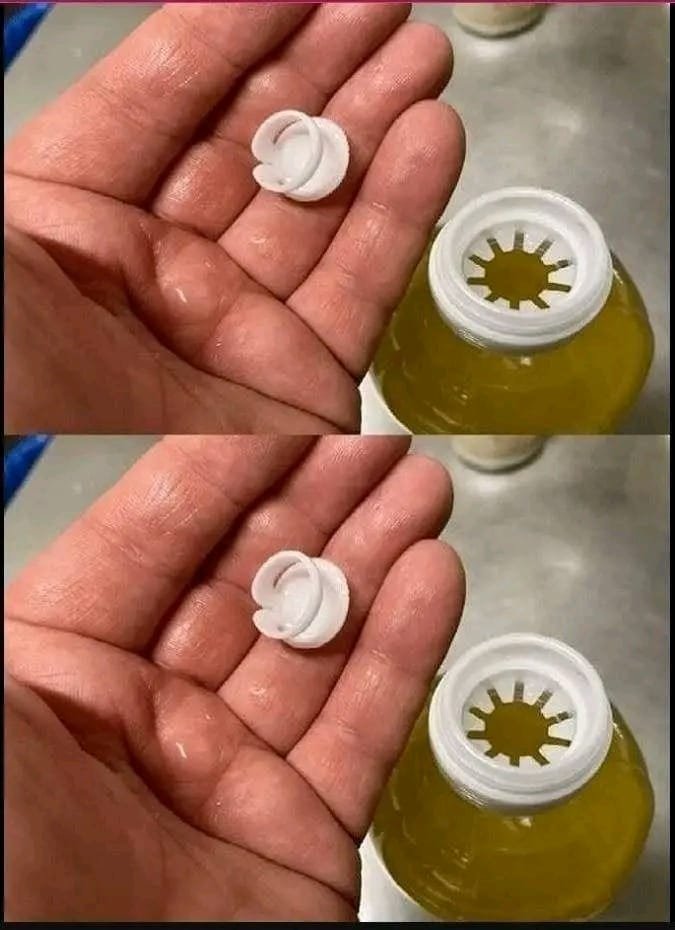
I Always Threw Away the Oil Seal: A Colleague Explained What It Was Really For
SEO Title: Never Throw Away This Oil Seal Before You Know Its Purpose
Focus Keyphrase: what is an oil seal used for
URL Slug: what-is-an-oil-seal-used-for
Meta Description: Ever wondered what an oil seal does? Discover how this small but important component helps prevent leaks, protects machinery, and keeps equipment running smoothly.
Category: Home & Practical Tips
Introduction
Sometimes, the smallest parts have the most important jobs. You might have come across a small rubber ring or circular seal while working on a machine, repairing a vehicle, or opening a mechanical component. If you did not know what it was for, you might have thrown it away without a second thought.
That is exactly what happened to me. I always assumed the oil seal was just an ordinary piece of rubber. Then a colleague explained its purpose, and I realized how important such a small component could be.
But what exactly is an oil seal, and why should you never discard one without checking what it does?
What Is an Oil Seal?
An oil seal is a component designed to prevent lubricating oil or grease from leaking out of a mechanical assembly. It also helps keep dust, dirt, moisture, and other contaminants from entering sensitive parts.
Oil seals are commonly found in cars, motorcycles, engines, gearboxes, pumps, washing machines, and various industrial machines.
Many oil seals consist of a flexible rubber or elastomer lip, sometimes reinforced with a metal casing or spring. The flexible lip maintains contact with a rotating shaft, helping retain lubricant while limiting contamination.
Although the design may look simple, the seal plays an essential role in protecting moving parts.
Why Is an Oil Seal So Important?
1. It Helps Prevent Oil Leaks
Lubricating oil reduces friction between moving components. If a seal becomes damaged, worn, or incorrectly installed, oil may escape.
Low lubricant levels can increase friction and wear, potentially causing expensive damage to machinery or an engine.
2. It Protects Internal Components
Dust, water, and other contaminants can damage bearings, shafts, and other precision components. A properly functioning oil seal helps reduce the risk of contamination.
3. It Supports Smooth Operation
By retaining lubricant where it is needed, an oil seal helps moving parts operate as intended. This can contribute to reliability and a longer service life.
4. It Can Help Prevent Costly Repairs
Replacing a worn seal at the appropriate time may help prevent leaks and secondary damage. However, the seal must be the correct type and installed according to the manufacturer’s instructions.
Where Can You Find Oil Seals?
Oil seals are used in many everyday and industrial applications.
- Cars and motorcycles: Around crankshafts, camshafts, gearboxes, and other rotating shafts.
- Household appliances: In certain washing machines, pumps, and other equipment containing moving parts.
- Industrial machinery: In motors, pumps, compressors, and manufacturing equipment.
- Agricultural equipment: In gearboxes, axles, and machinery exposed to dust and demanding working conditions.
Not every circular rubber part is an oil seal. Some are O-rings, gaskets, dust seals, or other components with different functions.
What Happens If You Throw an Oil Seal Away?
If the component is genuinely an oil seal and the machine requires it, discarding it could leave an opening that allows lubricant to escape or contaminants to enter.
The consequences depend on the machine and the seal’s location. In some cases, the result may be a minor leak. In others, it could contribute to bearing failure or serious mechanical damage.
For this reason, never assume that a small rubber ring is unnecessary simply because it looks insignificant.
If you are repairing a machine and discover an old seal, identify the part and check the service manual before deciding whether it can be reused or discarded.
Can You Reuse an Old Oil Seal?
Generally, replacing a removed oil seal with a new one is often recommended, particularly when the seal is worn, damaged, hardened, or designed for single-use installation.
Before fitting a replacement, check:
- The seal’s exact dimensions and part number.
- The material’s compatibility with the lubricant and operating temperature.
- The condition of the shaft and surrounding components.
- The manufacturer’s installation instructions.
Incorrect installation or a damaged shaft surface can cause a new seal to leak. If you are unfamiliar with the repair, consult a qualified mechanic or technician.
How to Tell Whether an Oil Seal Needs Replacing
Possible warning signs include:
- Oil or grease appearing around a shaft or housing.
- A seal that is cracked, hardened, torn, or visibly deformed.
- Lubricant levels dropping without an obvious explanation.
- Dirt or moisture entering an area that should remain protected.
A leak does not always mean the seal itself is the problem. Excess pressure, a damaged shaft, incorrect installation, or another mechanical fault may also be responsible.
Final Thoughts
An oil seal may look like an ordinary rubber ring, but it can perform an essential job: retaining lubricant and helping protect mechanical components from contamination.
The lesson is simple: never throw away an unfamiliar mechanical part until you know what it does. If you are repairing equipment, identify the component, consult the manufacturer’s documentation, and use the correct replacement when necessary.
One small part can make a big difference to the reliability and lifespan of a machine.
Practical safety note: Before inspecting or repairing machinery, switch it off and disconnect the power source where appropriate. Allow hot components to cool, and seek professional help for repairs involving critical vehicle or industrial systems.
Suggested featured image: A close-up of a black rubber-and-metal oil seal beside mechanical tools and a metal shaft, with a clean workshop background.