
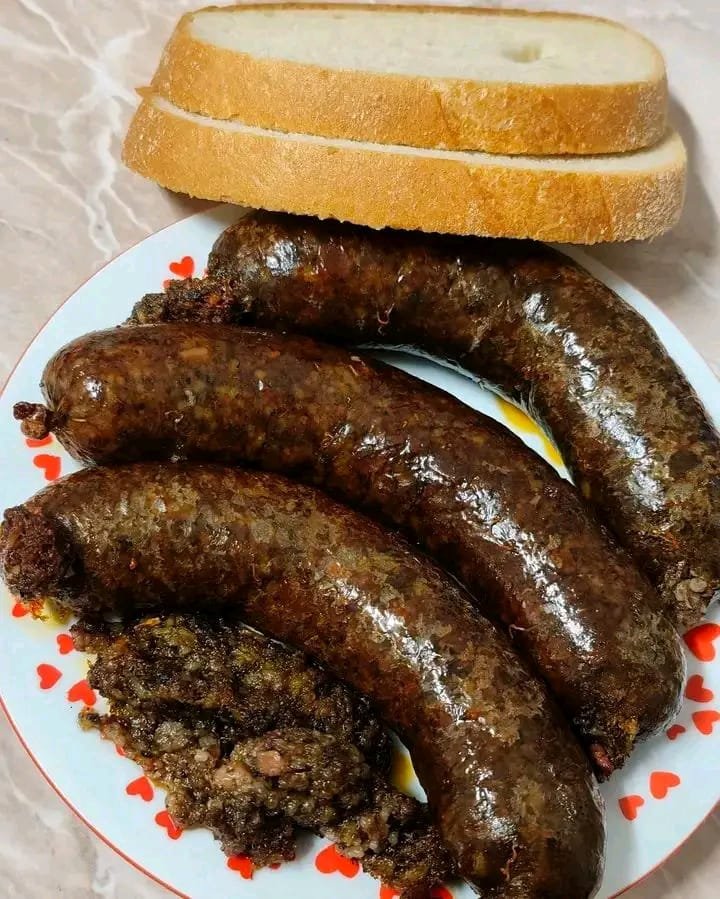
Hungarian Homemade Sausage (Kolbász) 🇭🇺✨
Traditional Hungarian Kolbász is a flavorful sausage made with pork, sweet Hungarian paprika, garlic, black pepper, and a touch of heat. Famous for its rich red color and bold, smoky flavor, this beloved Hungarian specialty is a staple of traditional home cooking. Whether served with fresh bread, pickles, mustard, or hearty potatoes, homemade kolbász brings an authentic taste of Hungary to the table.
This recipe is inspired by the traditional Hungarian seasoning blend and is designed for home cooks who want to prepare delicious sausage with classic Central European flavors.
What Is Hungarian Kolbász?
Kolbász is a traditional Hungarian sausage that comes in several varieties. Some versions are fresh and cooked before eating, while others are cured and smoked for a deeper flavor and longer storage life.
One of the most important ingredients is Hungarian paprika, which gives the sausage its signature color, aroma, and distinctive taste. Garlic and black pepper add depth, while optional hot paprika provides a pleasant spicy kick.
This homemade version is intended to be cooked fresh, making it a practical introduction to the flavors of traditional Hungarian sausage.
Preparation and Cooking Time
- Preparation time: 30–40 minutes
- Chilling time: 4–12 hours
- Cooking time: 20–30 minutes, depending on thickness
- Servings: Approximately 6–8
Ingredients
For the Sausage
- 2 lb (900 g) ground pork, preferably with some fat
- 2 tablespoons sweet Hungarian paprika
- 1 teaspoon hot Hungarian paprika, optional
- 4–5 garlic cloves, finely crushed
- 2 teaspoons salt, adjusted to taste
- 1 teaspoon freshly ground black pepper
- 1 teaspoon ground caraway seeds
- ½ teaspoon marjoram, optional
- ¼ cup (60 ml) cold water, if needed for mixing
- Sausage casings, prepared according to the package instructions, if making links
Tip: Pork with approximately 20–30% fat generally produces a juicier sausage. Very lean meat may result in a dry texture.
Instructions
Step 1: Prepare the Seasonings
In a small bowl, combine the sweet Hungarian paprika, hot paprika if using, salt, black pepper, ground caraway seeds, and marjoram.
Crush the garlic cloves into a paste. Fresh garlic is important because it contributes much of the traditional aroma associated with Hungarian kolbász.
Step 2: Mix the Meat
Place the ground pork in a large mixing bowl. Add the garlic and seasoning mixture.
Mix thoroughly with clean hands or a sturdy spoon until the seasonings are distributed evenly throughout the meat. Add a little cold water if necessary to help the mixture come together, but avoid making it wet or loose.
Keep the meat cold while working with it.
Step 3: Let the Flavors Develop
Cover the bowl and refrigerate the mixture for 4–12 hours. This resting period allows the garlic, paprika, and spices to blend into the pork.
If you want to check the seasoning, cook a small portion in a skillet until fully cooked, then taste it. Adjust the seasoning before stuffing the casings.
Step 4: Fill the Casings
If using sausage casings, prepare them according to the manufacturer’s directions.
Fit the casing onto a sausage stuffer and fill it evenly with the seasoned pork mixture. Avoid overfilling, because tightly packed casings can split during cooking.
Twist the sausage into links of your preferred size. If you do not have a sausage stuffer, shape the mixture into small patties instead.
Step 5: Cook the Sausage
For fresh homemade kolbász, choose one of these methods:
Pan-frying: Place the sausages in a skillet over medium-low heat. Cook slowly, turning occasionally, until browned and cooked through.
Oven-baking: Arrange the sausages in a baking dish and bake at 375°F (190°C), turning as needed, until thoroughly cooked.
Grilling: Grill over moderate heat, turning regularly to prevent the casings from burning before the center is cooked.
For ground pork sausage, cook to an internal temperature of 160°F (71°C), measured with a food thermometer. Cooking time varies with the thickness of the sausages.
Step 6: Rest and Serve
Allow the cooked sausages to rest for a few minutes before serving. This helps the juices settle and makes them easier to slice.
Serve with crusty bread, mustard, pickled vegetables, roasted potatoes, or a fresh cabbage salad for a delicious Hungarian-inspired meal.
Tips for the Best Homemade Kolbász
- Choose authentic Hungarian paprika: Sweet paprika gives the sausage its classic flavor and vibrant color.
- Do not use only lean pork: A little fat helps create a moist, tender result.
- Keep everything cold: Cold meat is easier to handle and helps maintain a better sausage texture.
- Mix evenly: Distribute the garlic and spices thoroughly so every bite tastes balanced.
- Adjust the heat: Use hot paprika sparingly at first, then increase it to suit your preference.
- Cook gently: Moderate heat helps the sausage cook evenly without burning the outside.
- Use a thermometer: Color alone cannot reliably tell you whether ground pork is fully cooked.
What to Serve With Hungarian Kolbász
Traditional and modern side dishes both work beautifully with this sausage.
- Fresh country bread and yellow mustard
- Hungarian pickled cucumbers or mixed pickles
- Roasted or boiled potatoes
- Sauerkraut or braised cabbage
- Fresh tomatoes, peppers, and onions
- A simple green salad
For a classic Hungarian-style platter, serve sliced cooked sausage with bread, pickles, and a selection of fresh vegetables.
How to Store Homemade Sausage
Because this recipe uses fresh pork, it should be handled as a perishable food.
- Refrigerator: Store raw sausage at 40°F (4°C) or below and cook it within 1–2 days.
- Freezer: Freeze raw sausage in airtight, freezer-safe packaging for best quality. For longer storage, label it with the date.
- Cooked leftovers: Refrigerate within two hours of cooking and use within 3–4 days.
- Reheating: Reheat leftovers thoroughly to 165°F (74°C).
Important food-safety note: This is a fresh sausage recipe, not a shelf-stable cured or smoked sausage. Do not leave it at room temperature to ferment, dry, or cure. Traditional cured kolbász requires a tested process with appropriate curing ingredients, controlled temperature and humidity, and validated food-safety procedures.
Frequently Asked Questions
Can I make Hungarian kolbász without sausage casings?
Yes. Shape the seasoned pork into patties or small logs and cook them thoroughly. The flavor will still be inspired by traditional Hungarian kolbász, even without the casing.
Is Hungarian kolbász spicy?
Not always. Many varieties use sweet paprika as the main seasoning. Hot paprika or chili can be added for a spicier version.
Can I use beef instead of pork?
You can experiment with ground beef, but the flavor and texture will differ from traditional pork-based Hungarian kolbász. Choose a suitable fat content to avoid a dry result.
Why is Hungarian sausage red?
Sweet or hot Hungarian paprika gives the sausage its characteristic red color. The exact shade depends on the paprika variety and quantity used.
Can I smoke this sausage at home?
Smoking fresh sausage requires appropriate equipment, temperature control, and safe handling. Smoking alone does not necessarily make sausage safe to store at room temperature. For beginners, cook the fresh sausage and refrigerate or freeze it; use a tested recipe specifically designed for smoked or cured sausage if you want a traditional preserved version.
Final Thoughts
Hungarian Homemade Sausage, or Kolbász, is a wonderful way to enjoy the rich, comforting flavors of Hungarian cuisine. With quality pork, aromatic garlic, sweet Hungarian paprika, and a few carefully chosen spices, you can make a delicious sausage that works for family dinners, weekend grilling, or a traditional-style platter.
The secret is simple: use flavorful paprika, maintain the right balance of meat and fat, season evenly, and cook the sausage safely. Serve it warm with crusty bread and tangy pickles, and enjoy a taste of Hungary at home!
Recipe note: This recipe is for fresh sausage that must be cooked before eating. Traditional dry-cured Hungarian kolbász is made using a different, carefully controlled curing and drying process.