
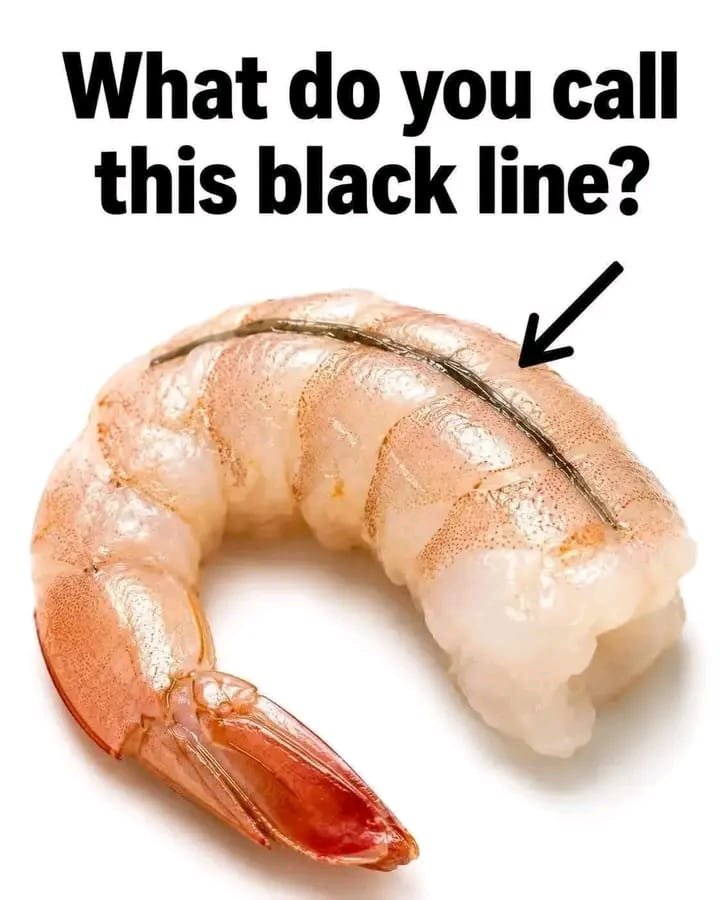
What Do You Call the Black Line in Shrimp? Understanding the Digestive Tract
Have you ever peeled a shrimp and noticed a thin black line running along its back? Many people wonder what this dark strand is, whether it is safe to eat, and if it must be removed before cooking.
The answer is simple: the black line is usually the shrimp’s digestive tract, often called the “vein.” Although it resembles a blood vessel, it is actually part of the digestive system. Understanding what it does and when to remove it can help you prepare shrimp with greater confidence.
What Is the Black Line in Shrimp?
The dark line running along the back of a shrimp is its digestive tract, sometimes called the intestinal tract.
As food moves through the shrimp’s digestive system, this tract may contain partially digested food and waste. Its color varies depending on what the shrimp has eaten and how visible the contents are.
The line may appear black, brown, gray, or nearly transparent. In some shrimp, it is barely noticeable, while in others, it stands out clearly against the pale flesh.
The term “vein” is commonly used in cooking, but it is not anatomically accurate. Shrimp have an open circulatory system rather than the familiar network of veins found in humans.
Is the Black Line Actually Shrimp Poop?
In everyday terms, the line may contain digestive contents and waste, which is why people often associate it with shrimp poop.
However, it is not necessarily a solid strand of waste. It is the digestive tract itself, and its contents can vary.
The line is not a parasite simply because it is dark. Its appearance alone also cannot tell you whether a shrimp is fresh, spoiled, or contaminated.
Is It Safe to Eat Shrimp Without Removing the Black Line?
Generally, properly handled and thoroughly cooked shrimp are safe to eat even if the digestive tract has not been removed.
Deveining is primarily a matter of appearance, texture, and personal preference. The tract may sometimes contain grit or contribute a slightly unpleasant texture, especially in larger shrimp.
Removing it does not replace proper food-safety practices. Shrimp should be stored at safe temperatures, protected from cross-contamination, and cooked thoroughly.
Discard shrimp that have clear signs of spoilage, such as an unpleasant ammonia-like odor, rather than relying on the color of the digestive tract to judge their safety.
Why Do Some People Remove the Black Line?
There are several reasons cooks often devein shrimp before preparing them.
1. Better Appearance
Removing the dark line gives peeled shrimp a cleaner, more uniform appearance. This is especially useful when preparing shrimp for guests or serving them in elegant dishes.
2. Improved Texture
The digestive tract can sometimes contain grit or other material that affects the eating experience. Removing it may make the shrimp more pleasant to eat.
3. Personal Preference
Some people simply prefer not to eat the digestive tract. Others leave it intact, particularly when cooking small shrimp or preparing casual dishes.
4. A More Refined Presentation
Restaurants and professional kitchens often devein shrimp because it creates a cleaner presentation and a more consistent dining experience.
What About the Line Along the Belly?
Shrimp may have another dark or thin line running along the underside.
The line on the back is the digestive tract most commonly removed during deveining. The underside contains a nerve cord and associated structures, which may sometimes be visible as a thin line.
These structures are different from the digestive tract. The dorsal digestive tract is the one cooks usually mean when they talk about removing the shrimp vein.
How to Remove the Black Line From Shrimp
Deveining shrimp is straightforward and takes only a few seconds per shrimp once you get the hang of it.
Step 1: Peel the Shrimp
Remove the shell and legs if the recipe calls for peeled shrimp. You can leave the tail attached for presentation.
Step 2: Make a Shallow Cut
Using a small, sharp paring knife, make a shallow cut along the back of the shrimp where the dark line is visible.
Avoid cutting too deeply into the flesh.
Step 3: Lift Out the Tract
Use the tip of the knife or a toothpick to gently lift the dark tract. Pull it out carefully, trying not to break it.
Step 4: Rinse if Necessary
If digestive material remains on the shrimp, rinse it briefly under clean running water and pat it dry with a clean paper towel. Avoid splashing water around the sink, as raw seafood juices can spread bacteria.
Step 5: Cook Thoroughly
Cook the shrimp using your preferred method. Shrimp are generally done when the flesh becomes pearly or white and opaque. A food thermometer can provide a more reliable check; the FDA recommends cooking seafood to an internal temperature of 145°F (63°C).
Do You Need to Devein Every Shrimp?
No. Deveining is not always necessary.
Small shrimp may have a barely visible digestive tract, and many people cook them without removing it. Larger shrimp often have a more noticeable tract, making removal worthwhile for a better texture and appearance.
For dishes such as shrimp cocktail, grilled shrimp, or shrimp served whole, deveining is often preferred. For soups, stews, and everyday meals, the decision can depend on the shrimp’s size and your personal taste.
Does the Black Line Mean the Shrimp Is Dirty?
Not necessarily.
The digestive tract is a normal part of shrimp anatomy. Its visibility does not automatically indicate poor quality or unsafe handling.
Food safety depends more on factors such as proper refrigeration, hygienic preparation, prevention of cross-contamination, and thorough cooking.
Likewise, a shrimp with a clear or nearly invisible tract is not automatically safer than one with a dark tract.
Can You Remove the Line After Cooking?
Yes, although it may be easier to remove before cooking.
If you discover the line after the shrimp has been cooked, you can make a small cut along the back and carefully remove it. Let the shrimp cool enough to handle safely, and use a clean utensil.
This is often unnecessary from a food-safety perspective, but it can improve the appearance or texture if you find the line unpleasant.
Frequently Asked Questions
Is the black line a vein?
No. It is usually the shrimp’s digestive tract. “Vein” is the traditional culinary term, but it is not anatomically accurate.
Will eating the black line make you sick?
The digestive tract itself is not automatically dangerous. Proper handling and thorough cooking are the key food-safety measures. Removing the line does not guarantee that shrimp are safe if they have been mishandled.
Why is the line sometimes black and sometimes clear?
Its appearance depends on the digestive contents, the shrimp’s size, and how visible the tract is through the flesh.
Is deveining required before grilling shrimp?
No. It is optional, although many cooks prefer to remove the tract before grilling because it improves appearance and may reduce grittiness.
Are frozen shrimp already deveined?
Some are, and others are not. Check the packaging for descriptions such as “peeled and deveined.” If the shrimp are not deveined, you can remove the tract after thawing them safely.
Final Thoughts
The black line in shrimp is usually the digestive tract, commonly known as the vein. Although it may look unappetizing, its presence does not automatically mean the shrimp is unsafe to eat.
Removing it is largely a matter of preference, texture, and presentation. Whether you are preparing shrimp for a quick weeknight dinner or a special seafood meal, focus on buying good-quality shrimp, handling them safely, and cooking them thoroughly.
Once you understand what the black line is, preparing shrimp becomes much less mysterious—and you can decide for yourself whether deveining is worth the extra few minutes.