
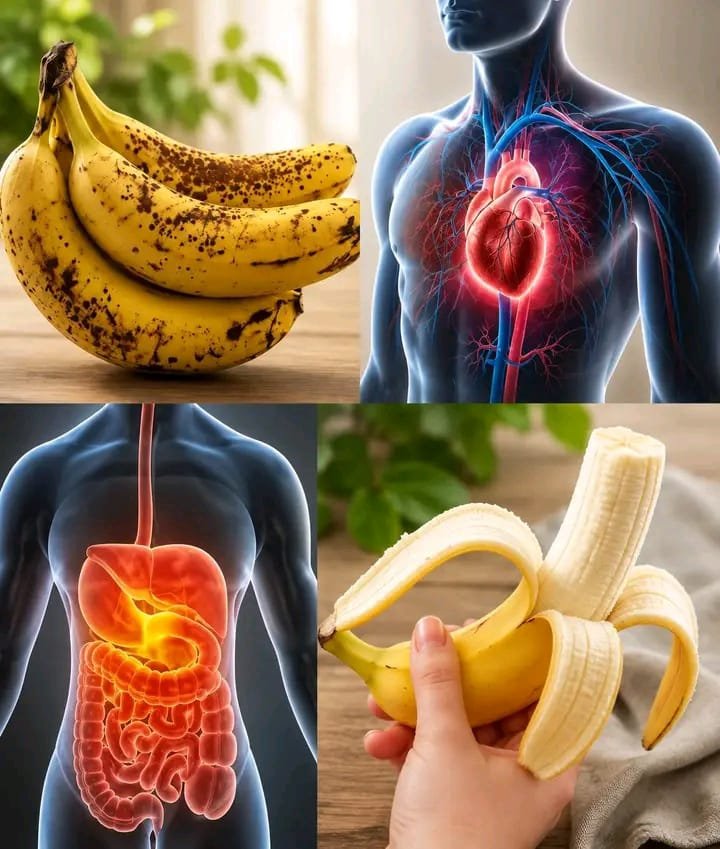
Did You Know That Eating Bananas Increases…? What Happens to Your Body When You Eat Bananas
SEO Title: What Does Eating Bananas Increase in Your Body? 7 Health Benefits
Focus Keyphrase: health benefits of eating bananas
URL Slug: health-benefits-of-eating-bananas
Meta Description: Discover what eating bananas can increase in your body, from potassium and fiber intake to energy and digestive support. Learn how to enjoy bananas as part of a balanced diet.
Category: Health & Nutrition
Did You Know That Eating Bananas Can Increase Your Potassium Intake?
Bananas are among the world’s most popular fruits, loved for their naturally sweet flavor, convenient packaging, and versatility. You can eat them as a quick snack, blend them into smoothies, or add them to oatmeal and yogurt.
But what actually happens when you eat bananas regularly?
Bananas provide essential nutrients that support several normal body functions. They can increase your intake of potassium, vitamin B6, and dietary fiber, while providing carbohydrates that your body uses for energy.
However, vague claims that bananas dramatically increase hormones, blood circulation, or sexual performance are not supported by strong scientific evidence. The real benefits are more practical—and still worth knowing.
1. Bananas Increase Your Potassium Intake
Potassium is an essential mineral that helps your body regulate fluid balance, support nerve signaling, and maintain normal muscle function.
A medium banana contains approximately 400–450 milligrams of potassium, although the exact amount varies with size.
Getting enough potassium through food can support healthy blood pressure, particularly when it is part of a balanced eating pattern that includes vegetables, fruits, beans, and other nutritious foods.
Helpful tip: Enjoy bananas alongside other potassium-containing foods, such as beans, potatoes, leafy greens, and yogurt.
People with chronic kidney disease or those taking certain medications that raise potassium levels may need individualized dietary advice.
2. Bananas Provide Energy
Bananas contain natural carbohydrates, including sugars and starches, which provide energy for everyday activities.
This makes them a convenient snack before exercise, during a long day, or when you need something quick between meals.
A banana also supplies some fiber, which helps distinguish whole fruit from many sugary drinks and highly processed snacks.
For a more filling snack, combine a banana with plain yogurt, nuts, or nut butter.
3. Bananas Support Healthy Digestion
Bananas contain dietary fiber, including resistant starch in greener fruit. Fiber supports regular bowel movements and contributes to a healthy digestive system.
The amount and type of resistant starch change as a banana ripens. Greener bananas generally contain more resistant starch, while ripe bananas tend to be softer and sweeter.
Individual responses differ. Some people find bananas easy to tolerate, while others may notice bloating or changes in bowel habits.
Remember: Bananas can contribute to fiber intake, but they are not a guaranteed treatment for constipation or other digestive conditions.
4. Bananas Supply Vitamin B6
Vitamin B6 helps the body process protein and supports normal nervous system function and the production of certain neurotransmitters.
Bananas are a useful dietary source of this vitamin, although they are not a complete solution for vitamin B6 deficiency.
Most people can obtain enough vitamin B6 from a varied diet that includes foods such as fish, poultry, potatoes, chickpeas, and fortified cereals.
5. Bananas Support Normal Muscle Function
Potassium and other electrolytes help muscles contract and nerves communicate properly.
Because bananas contain potassium, they can be part of a diet that supports normal muscle function. However, eating a banana does not guarantee that you will avoid muscle cramps.
Nighttime cramps and exercise-related cramps can have many causes, including muscle fatigue, certain medications, and underlying medical conditions. Research does not establish bananas as a reliable treatment for recurring cramps.
If cramps are frequent or severe, seek medical advice instead of relying exclusively on a particular food.
6. Bananas Can Help You Feel Satisfied Between Meals
The combination of carbohydrates, fiber, and the volume of whole fruit can make bananas a convenient snack.
Eating a banana alongside a source of protein or healthy fat may help make a snack more satisfying. For example, try banana slices with plain Greek yogurt, oats, or a small handful of nuts.
No single food automatically causes weight loss or prevents weight gain. Overall eating patterns, activity levels, sleep, and individual needs all matter.
7. Bananas Contribute to a Balanced Diet
Bananas contain vitamin C, vitamin B6, potassium, and other beneficial nutrients. They can add variety to meals and help people meet their fruit intake goals.
You can enjoy them in many ways:
- Slice them over oatmeal or whole-grain cereal.
- Blend them into a smoothie with yogurt and berries.
- Pair them with peanut butter for a snack.
- Mash ripe bananas into homemade muffins.
- Add banana slices to plain yogurt with seeds or nuts.
Whole bananas are generally a nutritious choice compared with desserts or drinks containing large amounts of added sugar.
Who Should Be Careful About Eating Bananas?
For most healthy adults, bananas are safe to enjoy regularly. However, a few people may need to consider their individual circumstances.
People With Kidney Disease
Some people with advanced kidney disease need to limit potassium because their kidneys may not remove excess potassium efficiently. Whether bananas need to be restricted depends on kidney function, blood potassium levels, and medical advice.
People With Certain Food Allergies
Although uncommon, banana allergy can occur. People who experience itching, swelling, hives, or other symptoms after eating bananas should seek medical advice. Severe breathing difficulties or swelling of the throat require emergency assistance.
People Managing Blood Sugar
Bananas contain carbohydrates that affect blood glucose. People with diabetes generally do not need to avoid bananas, but portion size, ripeness, and what else is eaten with the fruit can influence the blood sugar response.
A registered dietitian or healthcare professional can help tailor portions to individual needs.
How Many Bananas Should You Eat Each Day?
There is no universal number that is right for everyone. One medium banana can fit comfortably into a balanced diet, and some people may enjoy more depending on their nutritional needs and the rest of their meals.
Rather than focusing on eating as many bananas as possible, aim for a variety of fruits and vegetables to obtain a broader range of nutrients.
Frequently Asked Questions
Does eating bananas increase blood pressure?
Bananas provide potassium, which supports normal blood pressure regulation. However, eating bananas alone will not necessarily lower blood pressure or replace prescribed treatment.
Do bananas increase testosterone?
There is no strong clinical evidence that eating bananas significantly increases testosterone levels. Claims that bananas are a natural testosterone booster should be treated cautiously.
Can bananas help with nighttime leg cramps?
Bananas provide potassium, but there is insufficient evidence that eating them reliably prevents or treats nighttime leg cramps. Persistent cramps may require assessment for other causes.
Are bananas healthier when they are green or ripe?
Both can be nutritious. Green bananas contain more resistant starch, while ripe bananas are sweeter and softer. The best choice depends on taste, digestive tolerance, and personal dietary needs.
Is it okay to eat a banana every day?
For most healthy adults, yes. A daily banana can contribute valuable nutrients as part of a varied, balanced diet.
Final Thoughts
Eating bananas can increase your intake of potassium, vitamin B6, and fiber while providing convenient energy. These nutrients support normal muscle function, digestion, and other essential processes.
But bananas are not a miracle food, and they should not be expected to dramatically change hormones, cure illnesses, or eliminate muscle cramps.
Enjoy bananas as part of a balanced diet, vary the fruits you eat, and seek professional advice if you have a medical condition that affects your dietary needs.
Medical Disclaimer: This article is for general educational purposes only and does not replace personalized medical advice, diagnosis, or treatment.