
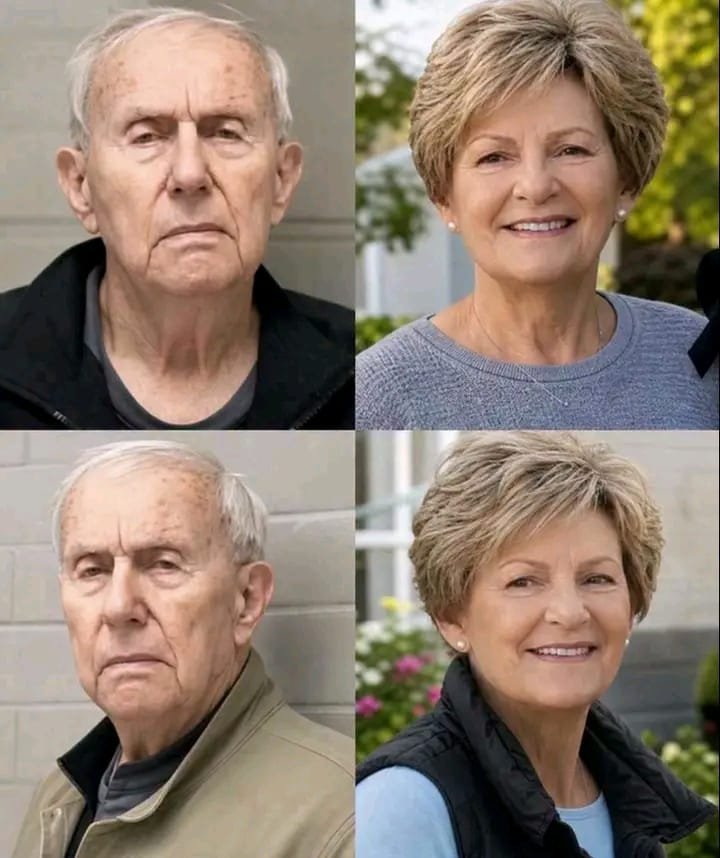
93-Year-Old Man Charged After the Death of His 86-Year-Old Wife: A Tragic Case That Raises Difficult Questions
A heartbreaking case in Fremont, California, has drawn attention to the challenges some elderly couples face when serious health problems, caregiving responsibilities, and emotional distress become part of daily life.
In January 2026, 93-year-old Richard Hocking was arrested after the fatal shooting of his 86-year-old wife, Patricia, known as Patty. The case shocked members of the local community and raised difficult questions about aging, compassion, family support, and the importance of protecting vulnerable older adults.
What Happened in Fremont?
According to the Fremont Police Department, officers responded shortly after midnight on January 3, 2026, after a man reported that he had shot his spouse and wanted to surrender.
When officers arrived at a parking lot on Mowry Avenue, they found Hocking near his vehicle. His wife was discovered in the front passenger seat and was pronounced dead at the scene. Police also recovered a firearm from inside the vehicle.
Hocking was taken into custody, and the investigation led to a murder charge filed by the Alameda County District Attorney’s Office on January 5, 2026.
Authorities described the incident as isolated and said there was no continuing threat to the wider community.
Health Problems and a Long Marriage
Media reports indicated that the couple had been married for approximately 60 years. According to reporting based on court documents, Hocking told investigators that his wife’s ongoing health problems were part of his reasoning for the shooting.
Reports also stated that he described the act as necessary and had allegedly planned it in advance.
However, there is no verified evidence in the cited reports establishing that his wife asked him to kill her. It is important to distinguish documented allegations and statements attributed to the defendant from assumptions about the victim’s wishes.
The circumstances surrounding the case are deeply troubling, particularly because serious illness and declining independence can place considerable emotional and physical pressure on older adults and their caregivers.
The Hidden Challenges of Aging and Caregiving
Growing older can bring significant changes to a person’s health, mobility, independence, and everyday routine. When one spouse becomes seriously ill, the other may take on extensive caregiving responsibilities while coping with their own health concerns.
These circumstances can lead to exhaustion, loneliness, anxiety, and feelings of helplessness. Older caregivers may also struggle to find appropriate medical care, respite services, financial assistance, or emotional support.
Recognizing these challenges early is essential. Families should not have to manage overwhelming caregiving demands without help, and people experiencing severe distress should be encouraged to seek professional support.
Why Support for Older Couples Matters
Cases involving older adults can highlight the importance of accessible community services and regular communication among families, healthcare professionals, and caregivers.
Helpful steps may include:
- Regular health assessments: Identifying changing medical needs and arranging appropriate treatment.
- Caregiver respite: Providing temporary relief so caregivers can rest and recover.
- Emotional support: Connecting older adults and caregivers with counselors, social workers, and support groups.
- Family communication: Discussing care preferences, concerns, and available resources before a crisis develops.
- Immediate intervention when safety is at risk: Contacting emergency services or a trusted professional if someone may harm themselves or another person.
When caring for a loved one becomes overwhelming, asking for help is a sign of responsibility, not failure.
A Tragic Reminder About Vulnerability and Safety
The death of Patricia Hocking is a devastating loss, and the case should not be reduced to a sensational headline. Health difficulties and caregiving stress deserve compassion, but they do not justify taking another person’s life.
Older adults deserve dignity, safety, and the opportunity to express their wishes freely. Families facing difficult medical circumstances should have access to support that protects everyone involved.
Conclusion
The case involving a 93-year-old man charged after his wife’s death is a painful reminder of the complex challenges that can arise in later life. It underscores the need for better caregiver support, accessible healthcare, and timely intervention when serious concerns emerge.
Above all, the available reporting does not establish that Patricia asked her husband to kill her. Respecting the facts and remembering the victim as a person—not merely a headline—are essential when discussing such a tragic event.
Editorial note: This article is based on publicly reported information available from authorities and news organizations. Criminal allegations should not be confused with a final court determination.